
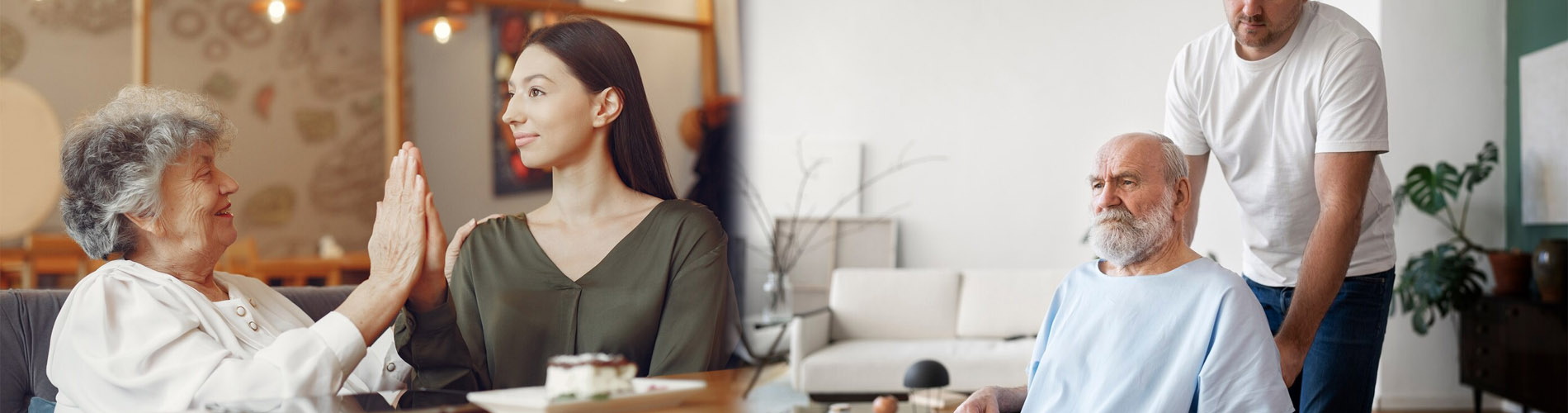

Taking any different elderly person with Alzheimer’s or some other form of dementia will be more than offering medical treatment-it must also entail the provision of personal services tenderly and with patience and respect, on a day-to-day basis. As memories fade away and the usual trivialities become too much for them, an emergency arises for a reliable individual upon whom they can depend to handle trivial tasks required for daily life.
At Senior Helpers 4U, we provide Personal care for seniors with Alzheimer’s and dementia in Edmonton, which aims to appease the physical needs of a sick and weakened elderly person, along with their dignity, safety, and comfort. Our aim is to keep the seniors living as independently as possible in the comfort of their own homes while providing the family with the much-needed support and assurance.
This guide explores how individually tailored personal care can help change the lives of memory-challenged seniors, and our trained caregivers from Senior Helpers 4U assist the affected population with caring and professional services within Edmonton and its neighboring communities.
Understanding the Challenges of Alzheimer’s and Dementia
Alzheimer’s and other dementia-related illnesses slowly modify a human being’s faculties of remembrance, reasoning, sensing, and action; hence there is a gradual entry into the imperilment of engaging in any daily activity. It starts with little dangers: getting lost or locked outside on his/her own. As times dwindle, it carries with it difficulty; for example, something as simple as taking a bath, getting dressed, or even eating will be something to be feared. Seniors may:
- Forget how to complete simple routines
- Become anxious or agitated during hygiene activities
- Resist help due to confusion or fear
- Be at increased risk of falls or injuries
- Lose track of medications or meals
So, every expectation turns around individual changes, too, putting tremendous pressure on family members and caregivers. At times there will be a gap for professional personal care services to fill.
What Is Personal Care for Seniors?
An individual has to be there to help in any of the activities pertaining to personal care-hygiene, comfort, and general well-being. However, for a person with Alzheimer’s or dementia, these things must be carried out in an atmosphere wherein trust, familiarity, and safety exist.
Common Personal Care Services Include:
- Bathing and showering
- Grooming and hair care
- Dressing and undressing
- Oral hygiene
- Incontinence and toileting care
- Medication reminders
- Meal assistance and hydration
- Supports mobility (e.g., walking, transferring from bed)
At Senior Helpers 4U, caregivers who provide Dementia care are trained in the application of calm reassurance to the person’s routines and preferences during personal care procedures.
Why Choose In-Home Personal Care?
Home is often thought to be the best place to keep an elder with Alzheimer’s or dementia. On account of anxiety and confusion, familiar surroundings become quite soothing, much more so when the regular caregiver is available.
In-Home Personal Care Offers:
- Comfort and familiarity lessen agitation
- Working on one-on-one support in for an individual with specific needs:
- Promoting independence and fostering self-esteem;
- Preventing falling, infections, and neglect; and
- Maintaining hygiene, sustenance, and becoming compliant with a regimen.
- Offers relief and respite for family caregivers
Senior Helpers 4U offers flexible Personal care services in Edmonton; whether your loved one needs help for a couple of hours a week or full-time support.
Our Approach to Dementia-Focused Personal Care
At Senior Helpers 4U, we don’t just assist—we connect. Our caregivers were trained to ensure prudent care toward afflicted individuals with dementia, instilling an outlook of patience, empathy, and communicate within their art. Services are offered in consideration of the person, stage of dementia, and personality.
Our Care Philosophy Includes:
- Routine-oriented care to reduce confusion
- Gentle prompts instead of commands
- Validation techniques to meet the client where they are emotionally
- Non-judgmental assistance with dignity-sensitive tasks
- Respect for preferences, habits, and cultural values
- Focus on independence, encouraging seniors to do what they can
We understand that how care is provided is just as important as what is provided.
Key Areas of Personal Care Support
Let us therefore look at how these services support the daily lives of the elderly affected with Alzheimer’s or dementia:
1. Bathing and Hygiene
Bathing is an uncomfortable experience for the person with memory impairment. The nurses treat the patients with soft-spoken voices and gentle movements in set rituals that allow an entire hygiene operation to feel safe and comfortable for them. We can assist with:
- Sponge baths or full showers
- Skin care to prevent irritation or dryness
- Hair washing and styling
- Nail and foot care
2. Dressing and Grooming
Depending on their memory abilities, struggling elders with dementia can either forget to dress or dress against the weather. We assist them in choosing clean and weather-appropriate dress and assist in buttoning and zipping. We also keep them groomed as it boosts their confidence.
3. Toileting and Incontinence
We tactfully assist the client to the toilet and provide compassionate assistance to those affected by incontinence. Handling toileting routines and cleaning routines can lower occurrences and skin trouble.
4. Mobility Assistance
Caregivers prevent falls by assisting walking and making transfers from beds and chairs with mobility aids. Safe movement preserves not only the image of dignity but also of independence of the person.
5. Feeding and Nutrition
Demented seniors may sometimes forget to eat or lose the ability to properly use the utensils, or simply do not eat enough. We prepare healthy meals for the client, remind him-of the client to eat, and feed him when necessary, always keeping safety and courtesy in view.
6.Medication reminders
This presents a sort of unique administration of medical treatment. Even so, our minds get occupied with the void of time about such therapies while rigorous scrutiny is another thing constituted-by the chance of any change in behavior or worse health condition so as to cause the realm of speculative fear of some unforeseen mal-developments.
Frequently Asked Questions (FAQ)
Q1: What makes personal care for dementia different from regular personal care?
Dementia care requires caregivers to adapt their approach, using patience, redirection, and memory-friendly routines to complete tasks like bathing and dressing without triggering distress.
Q2: How much time does one require before care may be provided after the consultation?
In most cases, care can be implemented within 48-72 hours from your initial consultation.
Q3: Do you provide 24-hour or overnight care?
Absolutely! We can provide care on an hourly basis, including overnight, live-in support, and 24-hour care.
Q4: What safeguards have been placed for people with Dementia?
Staff members undergo training in fall prevention, safe transfer methods, environmental safety checks, and behavior management to reduce risks.
Q5: Can I hire temporary service for temporary respite care?
Yes, you may. The company renders personal care on a temporary or permanent basis for family caregivers wishing to take a break or traveling.